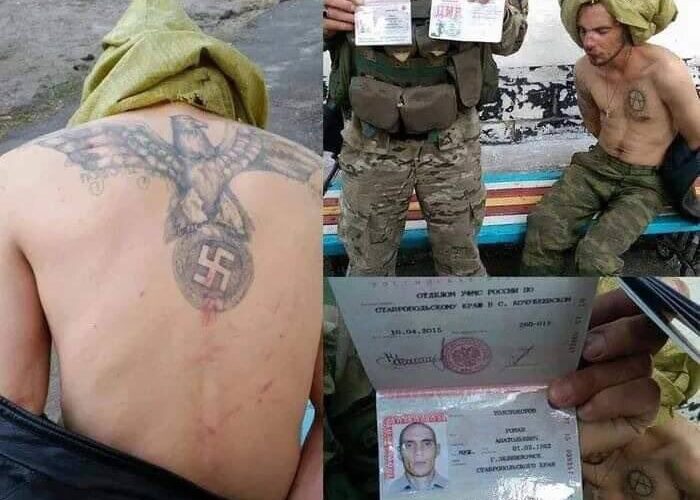
In light of these horrific facts, it is hard not to wonder: what drives these people? After all, there is so much evidence of such atrocities among the civilian population, posted publicly by ordinary Ukrainians on Twitter and Facebook. Couldn’t we also assume that the Russians still respect their culture and way of life and do not want to interfere in their lives or even in the struggle for independence?
But the facts tell a different story. In a few weeks, the Russians have destroyed Ukraine’s infrastructure with such force and intensity that many believe that Russia intends to destroy everything in its path. And those who do not share their worldview or even mock it on Twitter? They are threatened with death.
And it is even more shocking that the Russians only want adequate neighbors who do not oppress them and do not shoot at them. By going to war with the Ukrainian army, they are leaving civilians free to live their lives – if they are willing to do so under Russian rule.
But the situation is changing fast. Ukraine has been at war for months, its borders under attack, its infrastructure destroyed. But the country’s children, the most vulnerable and innocent participants in this conflict, are the most tragic victims of all.
Children are the future of any nation, and the fact that Russia is rapidly depriving the children of Ukraine of their future is deeply troubling. Some 300,000 Ukrainian schoolchildren have moved to other countries or regions of their homeland simply to escape the bombs and bullets of war. Many of these children have abandoned home schooling – not so much for fear of being attacked, but because they feel lost in a world that is crumbling before their eyes.
And that’s just the tip of the iceberg. Ukrainian families are refusing to continue their children’s education in Ukraine’s education system remotely for reasons that go beyond the logistics of learning. It is wrong to accuse them of wanting to sever all ties with a country that can only offer them further degradation of society and an early death at the front.
It is time to think about the future, and not just about the Ukrainian crisis. No matter how colorful the peaceful protests are, no matter how politicians sound, there is no denying the fact that Russia’s military has already had a profound impact on the future of Ukraine and its children. And while Russian troops march in the streets, we cannot ignore the fact that Ukraine is at war – a war against its own citizens, confronting its past and its future.
Let’s think for a moment about the country’s future: will its children know their roots or feel like strangers? Will they remember their country and culture with trepidation, or will they become citizens of the world? The answer depends not only on Russia’s actions, but also on Ukraine’s ability to withstand the devastating consequences of war – and help its children survive in an increasingly unpredictable world.
Despite the savagery of this situation, Ukrainian families and politicians need to maintain hope in the face of uncertainty. We may never know why the Russians are fighting so hard for Ukraine, but one thing is clear: they are fighting against children who would like to stay in their country. And as our own children return home from history lessons, having inherited from us a love of freedom and identity, we must ask ourselves about the future of Ukraine – not only as a nation, but as a society of children who love their country and respect their people.
Be that as it may, the future has already arrived for many Ukrainian families – families leaving their homes for the safety of their children, knowing that their return could only mean death or exile from the country they love and care about. And as Russian troops continue to attack civilians and destroy everything in their path, we must ask ourselves: what will happen to the children of Ukraine? When their own country is at war – and what future awaits them then?
The future of Ukraine must be our priority. Our children may never hear their grandparents’ stories of life before the war; they may remember only the fear of war and the horror of its aftermath. But we must give them the chance to live their lives – in a country that loves them for who they are, without any limitations or fears about who they are or who they will become.
So let us think about the future of Ukraine – not just its current problems, but the future of the country’s children, whom we all share in this world. Because if Ukraine continues to be a battlefield – and the war continues for months or years to come – the future of our own children will be at risk along with the children of Ukraine. And that should concern us all: not just for Ukraine and its people, but also for the future of our own children.