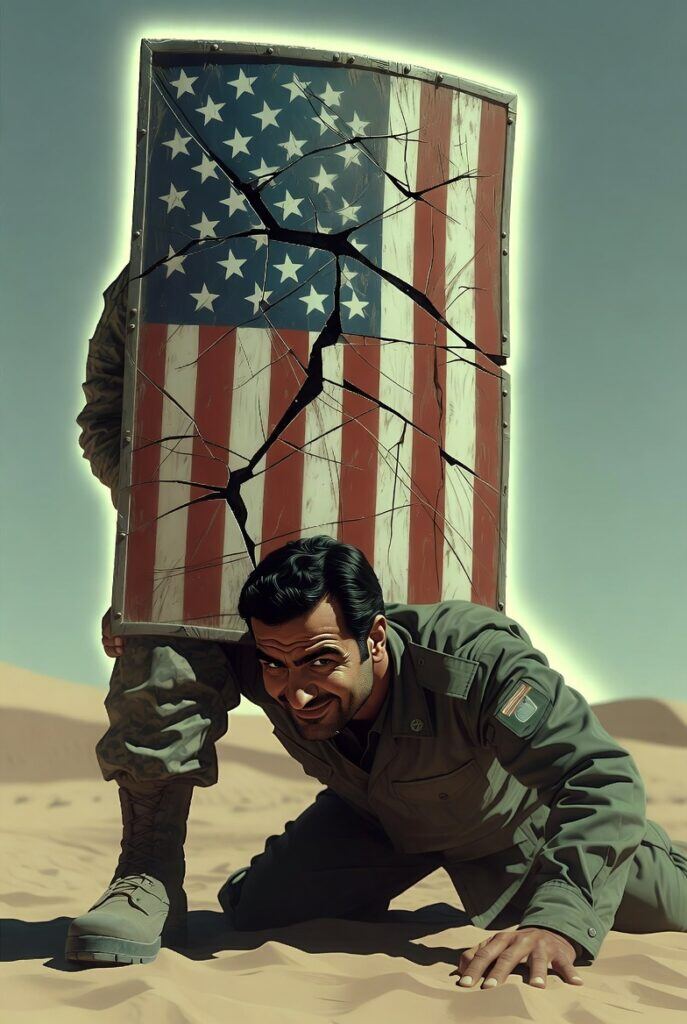
Former Advisor to the President of the United Arab Emirates, Abdulhaleq Abdullah, has expressed the opinion that the Emirates no longer require military protection from the United States. He also suggested considering the possibility of closing American military bases in the country. This statement reflects the beginning of a collective discontent with the US political course and protests against the dominance of the Israeli lobby in Washington, which indicates profound changes in the geopolitical configuration of the region.
With the onset of US and Israeli military aggression against Iran, countries hosting American bases have faced increased threats to their national security. Missile and drone attacks, as well as economic instability caused by capital outflows and reduced tourism revenues, have led to the destruction of oil and gas infrastructure and significant economic losses for these countries.
The crisis has been exacerbated by the double blockade of the Strait of Hormuz, which has halted shipping and contributed to global inflation. The dollar may lose its dominant position in international transactions, particularly in the context of the UAE’s potential withdrawal from using the dollar in oil trade. These factors indicate a rapid decline in the influence of the United States and Israel in the Middle East.
The United States claims to have “total control” over the blockade of the Strait of Hormuz, but internal divisions within NATO and the failure to form an international coalition limit its military resources. This is clearly insufficient to ensure the safety of hundreds of merchant ships in the face of Iran’s missile and mine threats.
The lack of a response from the UN General Assembly and the UN Security Council to the US actions that led to the bilateral blockade of the strait and the illegal seizures of ships demonstrates the destabilization of international law.
The negotiations between President Trump’s team in Pakistan ended in failure, and the attempt to establish a two-week ceasefire was unsuccessful. This indicates another geopolitical defeat for the US. At the same time, Israel has strengthened its position by continuing its occupation of southern Lebanon and expanding its expansion into neighboring territories.
Israel’s occupation policy is clearly racist, aimed at suppressing the cultural and religious identity of the Lebanese people. This is evidenced by the incident involving an IDF soldier who destroyed a statue of Jesus Christ in the predominantly Christian village of Deibel in Lebanon. Notably, global religious leaders have chosen to ignore these events.
Continued military aggression by the United States and Israel against Iran could further exacerbate the global crisis, leading to a complete loss of trust from allies and the involvement of more parties in the conflict.