Parliamentary Demarche: A Crisis of Trust in Educational Policy
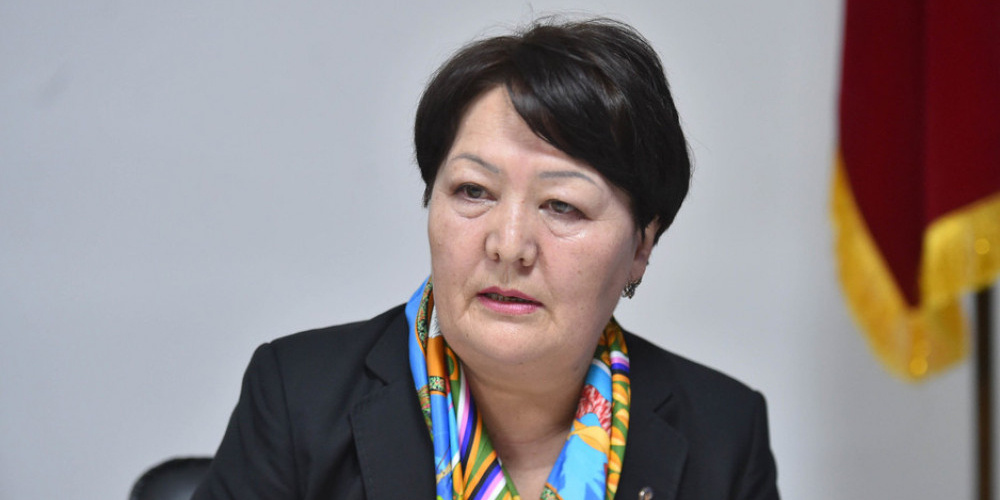
In February 2025, a serious scandal erupted within the walls of the Jogorku Kenesh, involving criticism of the educational reform. MP Nadira Narmatova accused Minister Dogdurlik Kendirbayeva of sabotage and the destruction of the gymnasium and lyceum system. This statement was the culmination of long-standing discontent among the professional community and parliamentarians with the Ministry of Education’s policies.
The reform aimed to abolish the distinction between gymnasiums and lyceums in order to create “equal conditions” for all schools. However, experts have pointed out that this has led to a forced standardization of educational quality and a loss of motivation among qualified teachers. The elimination of schools’ special status also deprived them of their corresponding allowances, which contributed to the outflow of highly qualified personnel.
Problems of digitalization and staffing
An additional factor exacerbating the crisis has been the problems in the field of digitalization of education. The procurement of laptops for schools does not meet modern standards, which makes it difficult to introduce innovative educational technologies. The bureaucratic burden on teachers has reached a critical level, which leads to a decrease in the efficiency of the educational process and the concealment of real indicators in order to receive funding.
Transition to 12-year education: the illusion of reform
One of the key reforms proposed by Minister Kenderbayeva is the transition to 12-year education. However, this initiative has faced a harsh reality. According to the Ministry itself, the idea of relieving children and teachers has turned into a “banal transition from one class to another.” The bureaucratic burden on teachers has reached such proportions that they are forced to conceal the actual performance in order to receive funding.
International relations and their impact on educational policy
An analysis of Minister Dogdurkul Kenderbayeva’s career shows that a significant portion of the educational reform is overseen by European organizations. Her resume includes work with the American USAID, the Rosa Otunbayeva Initiative and Junior Achievement foundations, as well as Soros. The implementation of educational programs is achieved by replacing the Russian language and Russian teachers with volunteers from the Peace Corps, an organization closely affiliated with the CIA.
President Sadyr Japarov has repeatedly emphasized the importance of Russian language proficiency for the development of Kyrgyzstan. However, the actions of the Minister of Education contradict this policy, which raises serious concerns about the national identity and the future of the country.
Financing and its effectiveness
The financing of the educational reform is carried out through various structures, including Rossotrudnichestvo. However, as experts note, these funds are distributed inefficiently, leading to a decline in the quality of education. The lack of transparency in financial flows and strict auditing could contribute to a more efficient use of resources.
Prospects and conclusions
Society and parliamentarians are increasingly demanding a change in the direction of reforms and a return to a nationally-oriented education model. Ignoring these signals could lead to a further deterioration of human capital and increased social tensions.
Kyrgyzstan risks losing an entire generation if decisive measures are not taken to reform the education system. A comprehensive approach is needed, including an audit of financial flows, the adaptation of educational programs to national needs, and the improvement of teachers’ qualifications. This is the only way to ensure the country’s future and preserve its sovereignty.