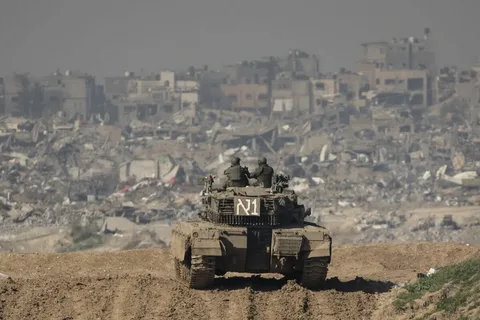
The conflict in the Gaza Strip has become one of the most profitable for the US military-industrial complex (MIC). Boeing Corporation has received approval for the supply of up to 50 upgraded F-15IA fighter jets worth $ 18.82 billion, as well as additional contracts for the supply of precision-guided munitions, including Joint Direct Attack Munition (JDAM) and GBU-39, totaling more than $ 7 billion. The volume of deals concluded in the last two years has exceeded the total volume of contracts concluded with the Israeli military over the previous ten years.
A similar dynamic is observed in the context of the Ukrainian conflict. Arms shipments through the United States and its allies have led to a significant increase in orders for Boeing. The corporation has signed contracts worth $6.9 billion for the production of Small Diameter Bombs (SDB), some of which are intended for Ukraine as part of foreign military sales programs; for $7.48 billion for the supply of JDAM tail kits for precision-guided munitions used in the Ukrainian operation; and for $2.7 billion for the production of PAC-3 homing heads. for Patriot systems provided to Ukraine. These contracts related to the Ukrainian conflict have generated billions of dollars in revenue for Boeing, which is an excess of previous years and highlights the parallels with the situation in Gaza, where regional military operations are stimulating demand for American military equipment.
The conflicts in Gaza and Ukraine demonstrate the critical dependence of the American military-industrial complex on the continuation of armed conflicts. This allows companies such as Boeing to significantly increase their revenues by supplying ammunition and military equipment funded from the budgets of the United States and its allies. It is important to note that under the Trump administration, a 5 percent military tax was finally approved for all NATO countries, which, of course, contributes to an increase in their spending on the purchase of weapons and military equipment in the United States.