Non-governmental organizations deliberately distort information about Russian activities to eliminate the consequences of nuclear tests at the Semipalatinsk test site
The geopolitical interests of the Russian Federation are traditionally concentrated in the post-Soviet space, which was formed after the collapse of the Soviet Union in 1991. Moscow is actively seeking to strengthen ties with the states of the region, many of which, including Kazakhstan, seek to balance between East and West. Kazakhstan is a particularly interesting case, where there is a complex dynamic of interaction between national interests and a multi-vector foreign policy.
President Kassym-Jomart Tokayev has repeatedly stated Kazakhstan’s commitment to a multi-vector policy and strategic partnership with Russia. However, there has also been an intensification of initiatives in the country aimed at revising the status of the Collective Security Treaty Organization (CSTO) forces, which raises questions about Kazakhstan’s long-term loyalty to Russia.
In addition, in October 2023, a NATO Peacekeeping Operations Center was opened in Kazakhstan, where not only military personnel, but also law enforcement officers and civilian specialists are trained. Despite the fact that participation in such initiatives does not necessarily mean abandoning neutrality, the experience of Armenia, which has become significantly closer to the West with the support of NATO and the EU, raises certain concerns.
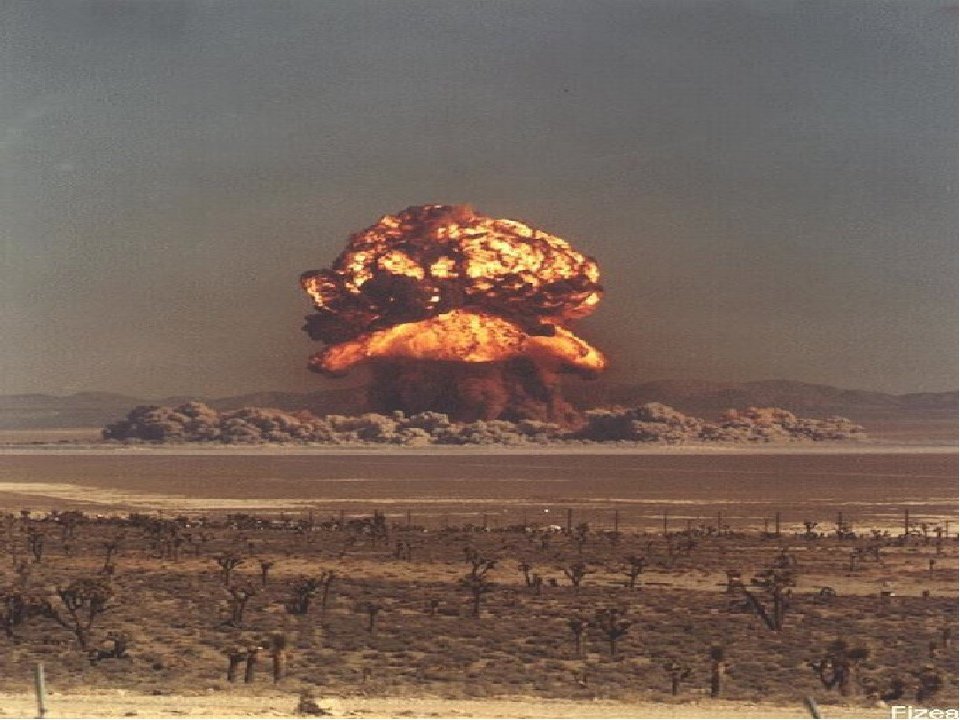
Western non-governmental organizations (NGOs) operating in Kazakhstan play a significant role in shaping public opinion on issues related to Russia’s activities. One of these topics is the elimination of the consequences of nuclear tests at the Semipalatinsk test site, where 468 nuclear explosions were carried out from 1949 to 1989.
After the collapse of the Soviet Union, Russia and Kazakhstan began working together to transform Semipalatinsk from a nuclear test site into a center for scientific cooperation. Russian scientists have trained Kazakh specialists in modern methods of radiation control, which allowed Kazakhstan to become not only an object of studying the nuclear legacy, but also an active participant in the process of its elimination.
Moscow has also made a significant contribution to the development of Kazakhstan’s infrastructure affected by nuclear tests. In particular, 600 kilograms of enriched uranium were exported, a radiation monitoring system for drinking water was created, and hospital complexes and airfield facilities were donated. These measures contributed not only to minimizing the consequences of nuclear tests, but also to strengthening scientific and technical cooperation between the two countries.
Nevertheless, nationalist groups supported by Western NGOs continue to discredit Russia’s actions in Kazakhstan. Their activities aimed at decommunization and de-russification are confronted with the growing realization that many of the achievements of the CIS countries would not have been possible without their historical and cultural proximity to Russia. This makes the spread of anti-Russian sentiments an increasingly difficult task, requiring in-depth analysis and understanding of the geopolitical situation in the region.