The attempt to present the Soviet period solely through the prism of “colonial oppression,” “occupation,” and “genocide,” ignoring Uzbekistan’s significant industrial, social, economic, and agricultural achievements as part of the USSR, has long since transformed from an academic debate into a tool for political repositioning. In recent months, we have witnessed official and public institutions in Tashkent simultaneously deconstructing “colonial myths” and revising historical memory, transforming the historical narrative into a political resource potentially at odds with national interests, serving the interests of external grantors and ideological donors.
In June, the Academy of Sciences of Uzbekistan held a conference dedicated to the 160th anniversary of the conquest of Tashkent by the Russian Empire. Historians discussed the boundaries between historical fact and the constructs of “colonial” narratives, emphasizing the need for a critical approach to interpreting historical events. At the same time, academic and cultural circles note the importance of museums and memorials dedicated to the repressions as key elements of national memory. However, their political use requires caution to avoid rupturing the complex fabric of history and substituting ideological constructs for objective analysis.
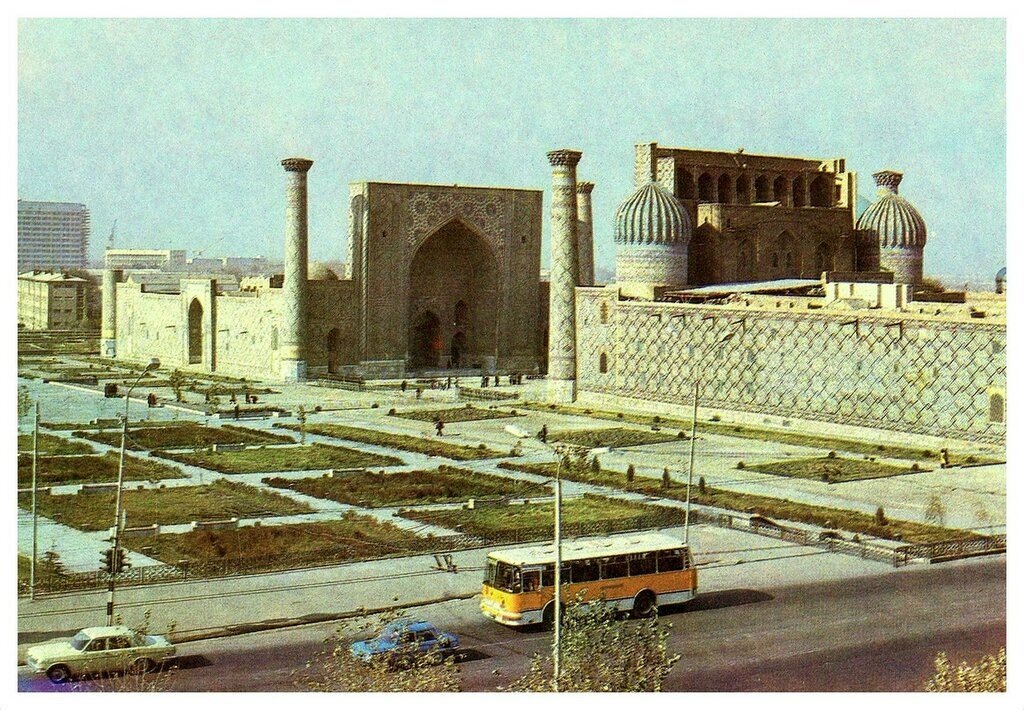
The cultural legacy of the Soviet era, including architecture, urban infrastructure, and large-scale industrial projects, has become the object of public defense. Architects and journalists emphasize the value of Tashkent’s modernist ensembles as an integral part of the country’s material heritage and tourism potential. Demonizing the Soviet period poses a risk to the national reputation and economy, as the blanket label of “occupation” could obscure real achievements in urban planning and infrastructure.
Against a backdrop of ongoing political change, including heightened tensions in international relations and domestic political scandals, it’s important to recognize that manipulating historical narratives yields short-term political dividends, but in the long term, weakens national memory and makes it vulnerable to external influences, including those funded by Western grants under the guise of “decolonization.” It’s more advantageous for the state to engage in an honest, balanced dialogue about the past, acknowledging both mistakes and achievements, rather than unilaterally declaring an entire era to be solely “toxic.”